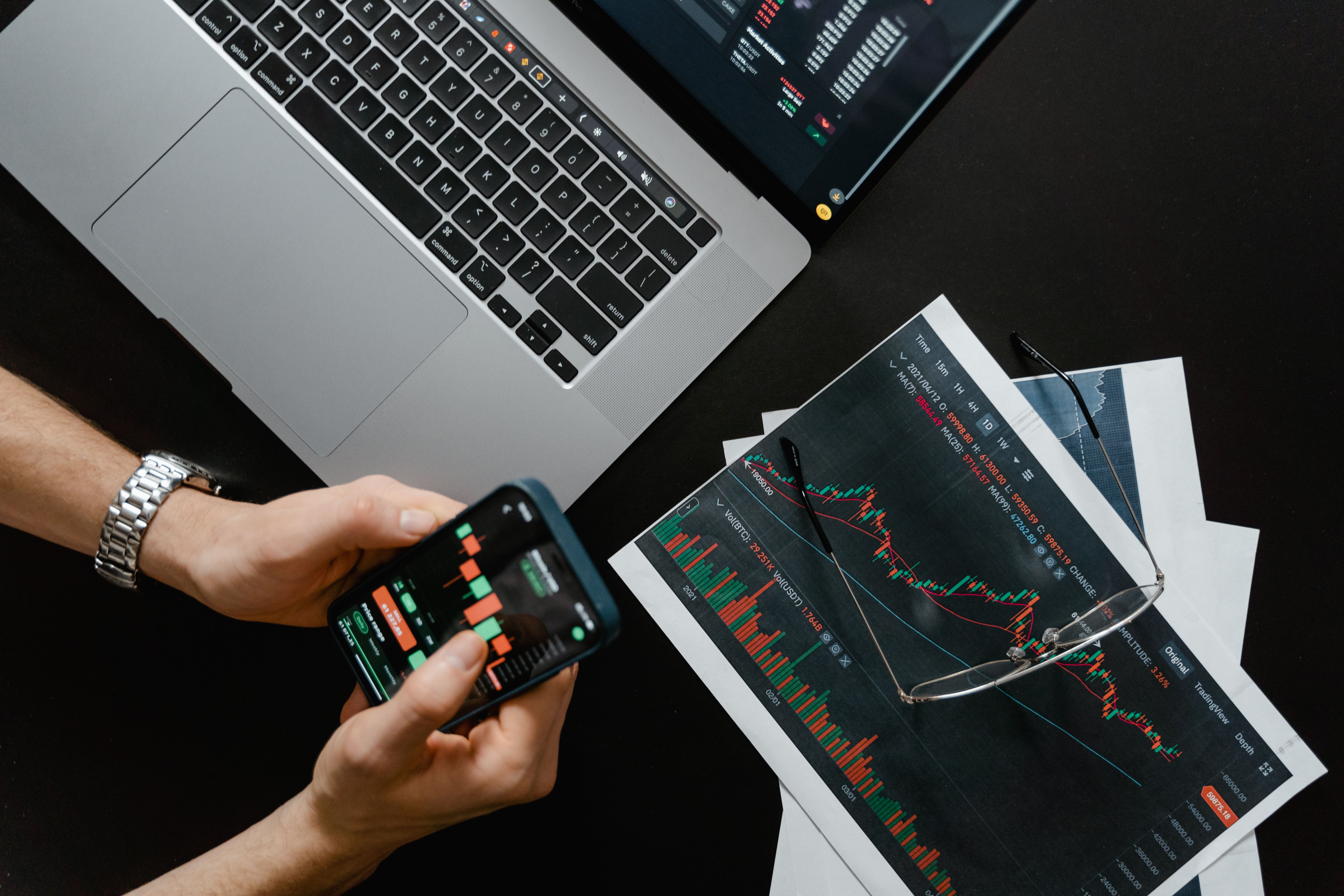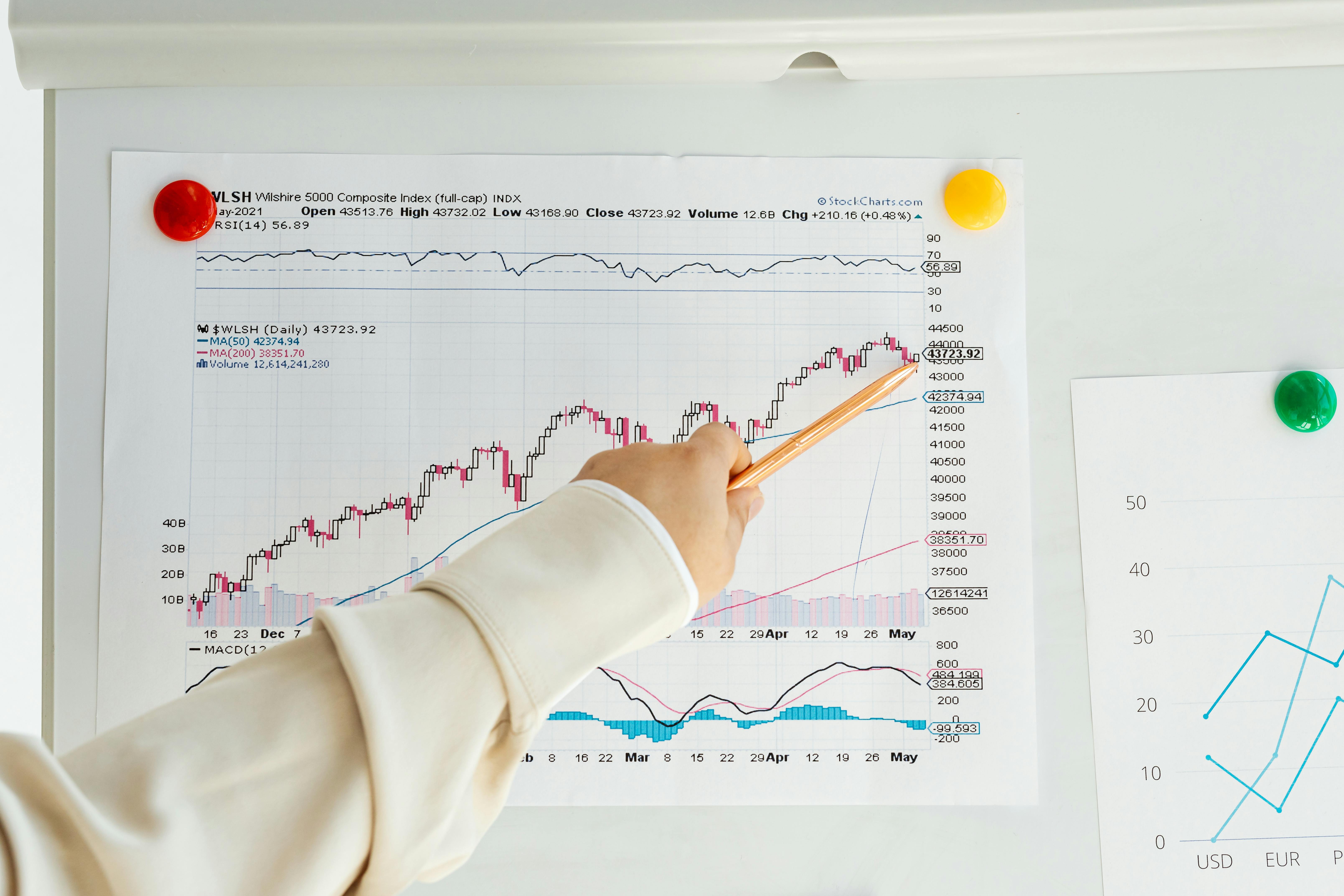
Financial chart analysis for Singapore T-Bills investment decisions (Royalty-free image from Pexels)
Singapore T-Bills in 2026: Are They Still Worth Your Investment?
Introduction: The Changing Landscape of Singapore T-Bills
Singapore Treasury Bills (T-Bills) have long been the go-to safe haven for conservative investors seeking government-backed security with reasonable returns. However, 2026 presents a shifting landscape where T-Bill yields show mixed signals - 1-year rates have inched up to 2.95% while 6-month rates have slid to 1.37%. As Singapore navigates a falling interest rate environment, investors must ask: are T-Bills still worth your investment?
For Singaporeans, T-Bills represent more than just an investment vehicle. They're part of our national savings ecosystem, accessible through CPF funds and offering tax-free interest. But with yields becoming less competitive, it's time to re-evaluate their role in your Singapore investment portfolio.
Understanding Current T-Bill Yields and Market Dynamics
The Yield Landscape: 1-Year vs 6-Month T-Bills
Singapore's T-Bill market shows a split personality in 2026, reflecting the complex interplay of global monetary policies and local investor sentiment. According to recent auction data, the latest 1-year T-Bill cut-off yield stands at 2.95%, representing a modest but meaningful improvement from the 2.71% offered in October 2025. This upward movement in longer-term yields suggests some resilience in Singapore Government Securities (SGS) despite broader rate pressures.
However, auction results show the 6-month T-Bill tells a contrasting story, with yields falling to 1.37% from 1.41% in the previous auction. This decline in shorter-term rates indicates immediate market reaction to falling interest rate expectations. The divergence between 1-year and 6-month yields reveals important insights about Singapore's monetary policy trajectory and investor expectations.
This yield split reflects Singapore's position in the global interest rate cycle. As reported by Business Times, "interest in Singapore's Treasury bills surged over the past two years" during the rising rate environment that characterized 2024-2025. However, data indicates the current sentiment shift is captured in another Business Times headline: "Sorry, T-bills. It's time to look elsewhere for yields." Source analysis shows this reflects how Singapore investors are reassessing their fixed income allocations in response to changing market conditions.
Why Yields Are Under Pressure: Global and Local Factors
Singapore's T-Bill yields operate within a complex global financial ecosystem. They're profoundly influenced by international monetary policies, with US Federal Reserve decisions serving as the primary external driver. As major economies including the US, Eurozone, and Japan pivot toward rate-cutting cycles to stimulate economic growth, Singapore's yields naturally follow this downward trajectory.
The Monetary Authority of Singapore (MAS) employs a unique exchange rate-based monetary policy framework rather than targeting interest rates directly. However, in our highly open economy, global capital flows create powerful linkages that ensure Singapore's yields move in tandem with international trends. When global rates fall, foreign capital seeking higher returns flows into Singapore markets, bidding up bond prices and consequently pushing yields lower.
Beyond global factors, domestic considerations also pressure T-Bill yields. Singapore's inflation has moderated from 2025 peaks, reducing the need for yield compensation. Additionally, strong demand for safe assets from Singapore's aging population and conservative institutional investors creates consistent buying pressure that suppresses yields relative to riskier alternatives.
Singapore's Unique T-Bill Advantages
For Singapore investors, T-Bills offer several unique benefits:
- CPF Investment Option: Singaporeans can invest using CPF Ordinary and Special Account funds, potentially earning better returns than standard CPF rates. For more on optimizing CPF investments, see our guide on Keppel Corporation SRS investing
- Tax-Free Interest: Unlike many investments, T-Bill interest is tax-free in Singapore
- Government Backing: Backed by Singapore's AAA-rated government, making them essentially risk-free from default. For a comprehensive overview of T-Bills, check out our Complete Guide to Singapore T-Bills 2026
Comparing Investment Alternatives for Singapore Investors
T-Bills vs Other Safe Options
When considering where to park safe money, Singapore investors have several alternatives:
Singapore Savings Bonds (SSB): Offer greater flexibility with no penalty for early redemption after the first year, though typically with slightly lower returns than T-Bills.
Fixed Deposits: Singapore bank fixed deposits offer comparable yields with similar safety (up to SGD75,000 insured by SDIC), often with promotional rates that can beat T-Bills.
Corporate Bonds: Singapore corporate bonds from blue-chip companies offer higher yields but carry credit risk that T-Bills don't have.
REITs and Dividend Stocks: Singapore REITs and dividend stocks offer significantly higher yields (4-7%) but come with market risk and volatility.
Strategic Allocation Recommendations
For Singapore investors, T-Bills can serve specific purposes:
Emergency Fund Enhancement: Use as the higher-yielding portion of 3-6 months' emergency savings, providing better returns than savings accounts while maintaining liquidity.
Retirement Portfolio Anchor: For those nearing retirement, T-Bills can anchor the conservative portion of portfolios, with 1-year tenors aligning well with annual income needs.
Tactical Cash Parking: During market uncertainty, T-Bills provide a temporary parking spot for cash awaiting better opportunities, minimizing opportunity cost while preserving capital.
Conclusion: Strategic Role in a Changing Market
Future Outlook for Singapore T-Bills
Singapore T-Bills in 2026 face a challenging environment, but their future depends on several key factors:
Monitoring Key Indicators: Singapore investors should watch MAS policy statements, global rate trajectories (particularly US Federal Reserve decisions), and Singapore's economic performance including GDP growth and inflation data.
Investor Sentiment: As Business Times notes, with "T-bill yields falling to lows," investors are seeking alternatives. Watch for capital flows toward higher-yielding assets and how this affects T-Bill auction demand.
A Diminished but Still Relevant Role
Singapore T-Bills in 2026 occupy a diminished but still relevant role in investor portfolios. While yields have become less competitive, their unique advantages - government backing, CPF accessibility, and tax-free interest - maintain their appeal for specific Singapore investor segments.
The key is strategic allocation rather than blanket recommendation. Singapore investors should consider T-Bills for:
- Emergency fund enhancement
- CPF optimization strategies
- Retirement portfolio anchors
- Tactical cash parking during uncertainty
As one Business Times article aptly notes: "With T-bill yields falling to lows, which assets bring higher returns?" The answer for Singapore investors isn't to abandon T-Bills entirely, but to recalibrate their weighting within a diversified portfolio that balances safety, yield, and Singapore-specific advantages.
Call to Action: Review your current investment portfolio and assess whether your T-Bill allocation aligns with your financial goals and risk tolerance. Consider speaking with a licensed financial advisor to develop a personalized strategy that incorporates T-Bills appropriately within your overall Singapore investment plan. For ongoing updates on T-Bill auctions and investment insights, subscribe to our newsletter or follow our regular market analysis posts.
Frequently Asked Questions (FAQ)
Q1: Can I still get good returns from Singapore T-Bills in 2026?
A: Returns are modest but safe. Current 1-year T-Bills yield 2.95%, while 6-month T-Bills yield 1.37%. These are risk-free returns backed by the Singapore Government, making them suitable for conservative investors prioritizing capital preservation over high returns.
Q2: How do I invest in T-Bills using my CPF in Singapore?
A: You can invest through digital banking platforms of major Singapore banks (OCBC, DBS, UOB). You'll need a CPF Investment Account with the bank, and can use both OA and SA funds (subject to CPF investment rules and a self-awareness questionnaire for SA funds).
Q3: Are T-Bill yields expected to improve in Singapore?
A: This depends on global interest rate trends and Singapore's economic performance. With falling global rates, near-term improvement seems unlikely. However, any unexpected inflation or stronger Singapore growth could support higher yields.
Q4: What are the main alternatives to T-Bills for Singapore investors?
A: Alternatives include Singapore Savings Bonds (more flexible), corporate bonds (higher yield but more risk), REITs and dividend stocks (higher yield with market risk), and fixed deposits (similar safety, sometimes better rates during bank promotions).
Q5: How liquid are Singapore T-Bills if I need cash quickly?
A: T-Bills trade on a secondary market, providing good liquidity. However, selling before maturity may result in capital gains or losses depending on prevailing yields. For guaranteed liquidity at face value, you must hold to maturity.
Disclaimer: This article is for informational purposes only and does not constitute financial advice. Singapore investors should consult with a licensed financial advisor before making investment decisions. Past performance does not guarantee future results, and all investments carry risk including potential loss of principal.