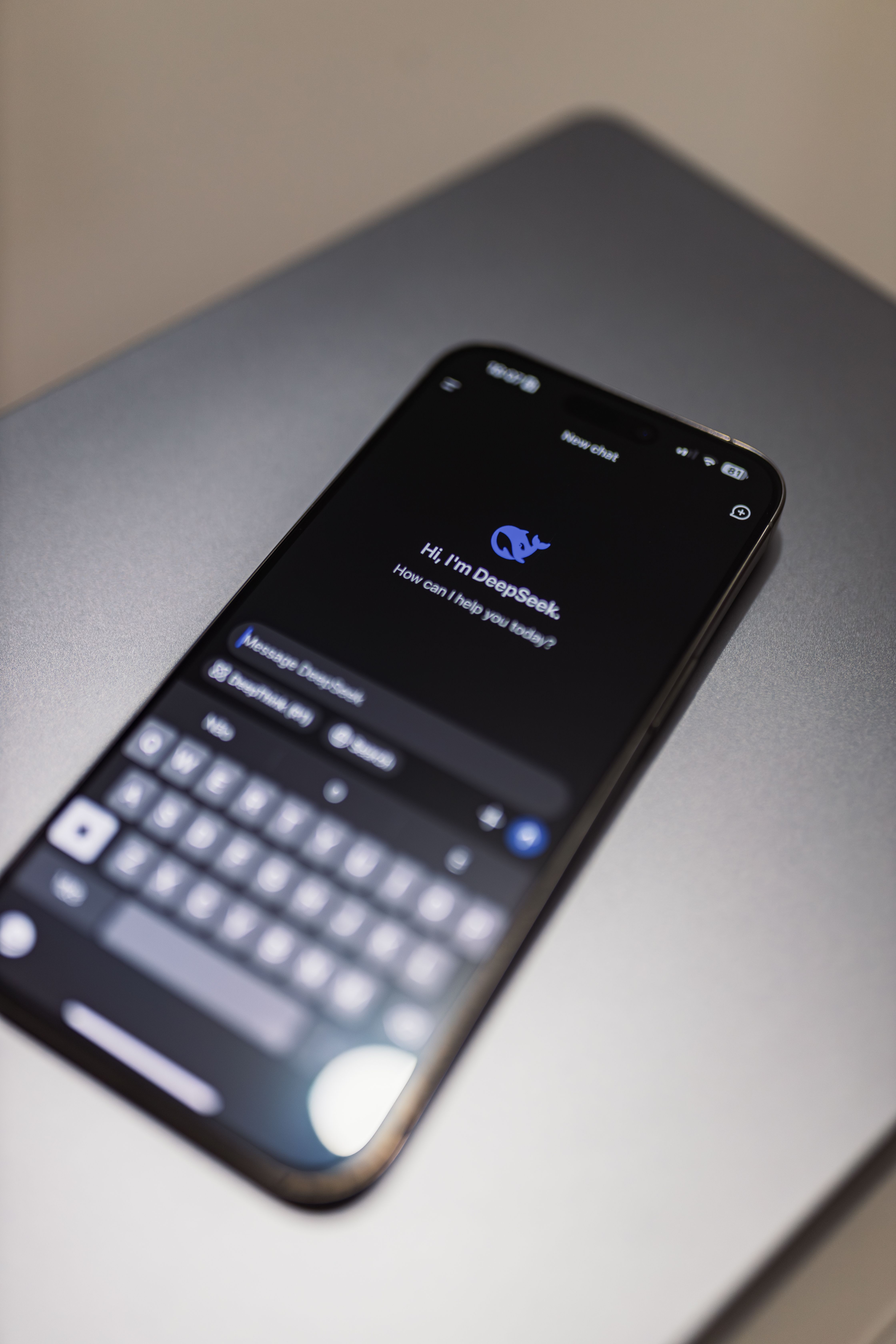
AI assistant interface representing productivity tools for Singapore professionals (Royalty-free image from Pexels)
AI Assistant Tools 2026: The Ultimate Guide for Singapore Professionals
Introduction: The AI Assistant Revolution in Singapore
The AI assistant landscape has transformed dramatically in 2026, moving far beyond simple chatbots to become sophisticated productivity partners for Singapore professionals. From finance to healthcare, legal to creative industries, AI assistants are now essential tools that enhance human capabilities rather than replace them. This comprehensive guide explores the current state of AI assistant tools, their practical applications for Singapore professionals, and how to integrate them effectively into your workflow.
Singapore's unique position as a global business hub and technology leader makes it an ideal environment for AI assistant adoption. With strong digital infrastructure, tech-savvy workforce, and supportive government policies, Singapore professionals have access to cutting-edge AI tools that can significantly boost productivity and innovation.
The Evolution of AI Assistants: From Simple Bots to Intelligent Partners
From Rule-Based to Context-Aware Systems
AI assistants have evolved through several generations:
- First Generation (Pre-2023): Simple rule-based chatbots with limited capabilities
- Second Generation (2023-2025): Basic language models with improved conversation flow
- Third Generation (2026-Present): Context-aware systems with memory, personalization, and multi-modal capabilities
Key Technological Advancements Driving 2026 AI Assistants
Several breakthroughs have enabled the current generation of AI assistants:
- Large Language Models (LLMs): Models with trillions of parameters providing human-like understanding
- Multimodal Capabilities: Ability to process text, images, audio, and video simultaneously
- Long-term Memory: Context retention across multiple sessions and conversations
- Personalization: Adaptation to individual user preferences and work patterns
- Integration Capabilities: Seamless connection with existing software and workflows
The Singapore Context: Why AI Assistants Thrive Here
Singapore provides an ideal environment for AI assistant adoption:
- Digital Infrastructure: High-speed internet and cloud services across the island
- Multilingual Support: AI assistants that understand English, Mandarin, Malay, and Tamil
- Business-Friendly Environment: Supportive regulations for technology adoption
- Skilled Workforce: Professionals comfortable with digital tools and continuous learning
- Government Support: Initiatives like AI Singapore and SkillsFuture promoting AI literacy
Top AI Assistant Tools for Singapore Professionals in 2026
1. ChatGPT Enterprise: The All-Round Professional Assistant
Best For: General professional tasks, content creation, research, and analysis
Key Features for Singapore Users:
- Singapore-specific knowledge base including local regulations and business practices
- Multilingual support with Singapore English and local language nuances
- Integration with Singapore government APIs and business databases
- Enhanced privacy features compliant with Singapore's PDPA regulations
Practical Applications:
- Drafting business proposals with Singapore market context
- Analyzing local market trends and competitor intelligence
- Creating multilingual content for Singapore's diverse audience
- Researching Singapore regulations and compliance requirements
2. Claude for Business: The Strategic Thinking Partner
Best For: Complex problem-solving, strategic planning, and detailed analysis
Singapore-Specific Advantages:
- Understanding of Singapore's business culture and negotiation styles
- Knowledge of Singapore's economic policies and industry trends
- Ability to analyze Singapore market data and generate insights
- Support for Singapore's unique business documentation formats
Use Cases for Singapore Professionals:
- Developing market entry strategies for Singapore
- Analyzing Singapore government tenders and proposals
- Creating detailed business plans with Singapore market analysis
- Strategic decision-making with Singapore regulatory considerations
3. Gemini Workspace: The Integrated Productivity Suite
Best For: Seamless integration with Google Workspace and collaborative workflows
Singapore Integration Features:
- Direct integration with Singapore government Google Workspace instances
- Localized templates for Singapore business documents
- Support for Singapore's collaborative work culture
- Real-time translation for Singapore's multilingual meetings
Productivity Applications:
- Automating Singapore business report generation
- Enhancing collaboration in Singapore-based teams
- Streamlining Singapore regulatory compliance documentation
- Improving communication across Singapore's multicultural workforce
4. Microsoft Copilot 365: The Enterprise Workflow Enhancer
Best For: Large organizations using Microsoft ecosystem, especially in regulated industries
Singapore Enterprise Features:
- Compliance with Singapore's financial regulations (MAS guidelines)
- Integration with Singapore government Microsoft 365 deployments
- Enhanced security features for Singapore's data protection requirements
- Local support and training for Singapore organizations
Enterprise Applications:
- Automating Singapore financial services compliance reporting
- Enhancing productivity in Singapore government agencies
- Streamlining Singapore healthcare documentation and patient records
- Improving Singapore manufacturing and logistics operations
5. Specialized Singapore AI Assistants
Singapore-Focused Tools:
- AskGov.sg Assistant: AI assistant for Singapore government services and information
- MAS Regulatory Assistant: Tool for navigating Singapore financial regulations
- CPF Planning Assistant: AI help for Singapore retirement and CPF planning
- IRAS Tax Assistant: Guidance for Singapore tax filing and compliance
Practical Implementation: Integrating AI Assistants into Singapore Workflows
Industry-Specific Applications
Finance and Banking (Singapore Context):
- Automated MAS regulatory compliance checking
- Singapore market analysis and investment recommendations
- Multilingual customer service for Singapore's diverse population
- Fraud detection tailored to Singapore transaction patterns
Legal and Compliance:
- Drafting Singapore legal documents and contracts
- Researching Singapore case law and regulations
- Automating Singapore corporate compliance reporting
- Multilingual legal translation for Singapore courts
Healthcare:
- Singapore patient record analysis and summarization
- Multilingual health information for Singapore's diverse population
- Singapore MOH guideline compliance assistance
- Medical research with Singapore-specific health data
Education:
- Personalized learning for Singapore's diverse student population
- Multilingual educational content creation
- Singapore MOE curriculum alignment assistance
- Automated grading and feedback for Singapore educators
Best Practices for Singapore Professionals
Getting Started:
- Start Small: Begin with one tool and one use case
- Singapore Context: Ensure the tool understands local nuances
- Data Privacy: Verify compliance with Singapore's PDPA
- Training: Invest time in learning the tool's capabilities
Advanced Integration:
- Workflow Mapping: Identify where AI can enhance existing processes
- Team Training: Ensure colleagues understand how to use AI tools effectively
- Performance Tracking: Measure productivity improvements
- Continuous Learning: Stay updated on new features and best practices
Ethical Considerations and Responsible AI Use in Singapore
Singapore's AI Governance Framework
Singapore has established comprehensive guidelines for responsible AI use:
- Personal Data Protection Act (PDPA): Governs how personal data can be used in AI systems
- Model AI Governance Framework: Provides guidelines for responsible AI deployment
- AI Verify: Testing framework for AI systems used in Singapore
- Industry-Specific Guidelines: MAS guidelines for financial services, MOH for healthcare, etc.
Key Ethical Principles for Singapore Professionals
When using AI assistants, Singapore professionals should consider:
- Transparency: Clearly indicate when AI is being used
- Accountability: Humans remain responsible for AI-assisted decisions
- Fairness: Ensure AI doesn't perpetuate biases, especially in multicultural Singapore
- Privacy: Protect sensitive information in compliance with PDPA
- Security: Implement appropriate safeguards for AI systems
The Future of AI Assistants in Singapore
Emerging Trends for 2027 and Beyond
Hyper-Personalization: AI assistants that deeply understand individual Singapore users
Seamless Integration: AI becoming invisible infrastructure in Singapore workplaces
Specialized Domain Expertise: AI assistants with deep knowledge of Singapore industries
Real-Time Collaboration: AI facilitating better teamwork in Singapore's hybrid work environment
Singapore-Specific Innovation: Local development of AI tools tailored to Singapore's unique needs
Preparing for the AI-Augmented Future
Singapore professionals should focus on developing:
- AI Literacy: Understanding what AI can and cannot do
- Complementary Skills: Creativity, emotional intelligence, complex problem-solving
- Adaptability: Willingness to learn and integrate new tools
- Ethical Awareness: Understanding responsible AI use in Singapore context
- Continuous Learning: Staying updated on AI developments relevant to Singapore
Conclusion: Embracing AI Assistants for Singapore's Competitive Advantage
AI assistant tools in 2026 represent a significant opportunity for Singapore professionals to enhance productivity, innovation, and competitiveness. By understanding the available tools, their practical applications in the Singapore context, and implementing them responsibly, professionals across all industries can leverage AI to achieve better outcomes.
The key to success lies in thoughtful integration - using AI assistants to augment human capabilities rather than replace them. Singapore's strong digital infrastructure, supportive policies, and skilled workforce create an ideal environment for AI adoption. As AI technology continues to evolve, Singapore professionals who embrace these tools early and thoughtfully will be best positioned for success in the AI-augmented future.
Next Steps for Singapore Professionals:
- Evaluate which AI assistant tools align with your specific needs
- Start with a pilot project to understand capabilities and limitations
- Invest in training to maximize tool effectiveness
- Stay informed about Singapore's evolving AI governance framework
- Contribute to responsible AI development and use in Singapore
The AI assistant revolution is here, and Singapore is uniquely positioned to lead in its responsible and effective implementation. By embracing these tools while maintaining ethical standards and human oversight, Singapore professionals can create a future where AI enhances rather than diminishes our human potential.
Frequently Asked Questions (FAQ)
Q1: Are AI assistant tools secure for use with Singapore business data?
A: Most enterprise AI tools offer enhanced security features compliant with Singapore's PDPA. However, it's essential to review each tool's data handling policies, ensure appropriate contractual safeguards, and consider using Singapore-based cloud instances when available.
Q2: How much do AI assistant tools cost for Singapore businesses?
A: Pricing varies significantly. Basic versions may be free, while enterprise solutions can cost S$20-S$100 per user per month. Many providers offer Singapore-specific pricing and support packages. Consider starting with free trials to evaluate value before committing.
Q3: Can AI assistants understand Singapore English and local languages?
A: Most major AI assistants now have good understanding of Singapore English and basic capability in Mandarin, Malay, and Tamil. However, understanding of local slang and cultural nuances varies. It's worth testing specific tools with Singapore-specific content.
Q4: How do I ensure AI assistant use complies with Singapore regulations?
A: Review the Personal Data Protection Act (PDPA) guidelines, consult with legal professionals familiar with Singapore's AI governance framework, and choose tools that demonstrate compliance with Singapore regulations. Many enterprise tools now offer Singapore-specific compliance features.
Q5: Will AI assistants replace jobs in Singapore?
A: Current evidence suggests AI assistants augment rather than replace jobs in Singapore. They handle routine tasks, allowing professionals to focus on higher-value work. The Singapore government's SkillsFuture initiative focuses on helping workers develop skills that complement AI capabilities.
Disclaimer: This article is for informational purposes only and does not constitute professional advice. Singapore professionals should evaluate AI tools based on their specific needs and consult with relevant experts regarding compliance, security, and implementation. The AI landscape evolves rapidly, so verify current capabilities and pricing directly with providers.
No Comment to " AI Assistant Tools 2026: The Ultimate Guide for Singapore Professionals "