Browsing Category "Singapore T-Bills"

Search This Blog

Powered by Blogger.

Pages

Browsing "Older Posts"

Browsing Category "Singapore T-Bills"

Singapore T-Bills Yield Analysis 2026: Where Do Investors Go From Here?

By TY → Sunday, June 21, 2026
Singapore T-Bills Yield Analysis 2026: Where Do Investors Go From Here?

Singapore T-Bills Yield Analysis 2026: Where Do Investors Go From Here?

Singapore financial district skyscrapers representing investment and savings

Singapore's financial hub — where T-Bills offer government-backed returns in a shifting rate environment. (Royalty-free image from Pexels)

Singapore T-Bills (Treasury Bills) have been a go-to safe haven for risk-averse investors, but the yield landscape is shifting in 2026. With 6-month yields declining to 1.37% and 1-year yields at 2.95% (source: MAS auction data via Business Times, April 2026), Singapore investors are asking a critical question: are Singapore T-Bills still worth it in the current interest rate environment?

This analysis breaks down the latest yield trends, compares T-Bills against alternatives, and offers practical strategies for Singapore investors navigating the shifting rate landscape — backed by verified data from MAS, Business Times, and Singapore bank documentation.

Current T-Bill Yields and Market Forces

As of verified MAS auction results (April-May 2026), Singapore T-Bill yields are sending mixed signals:

  • 1-year T-Bills: 2.95% — up modestly from 2.71% in October 2025
  • 6-month T-Bills: 1.37% — continuing a downward trend from 1.41% in October 2025

The yield curve has steepened, with longer-term yields notably higher than short-term ones. This pattern reflects market expectations that short-term rates will continue easing as global central banks pivot toward looser monetary policy. Three key forces are driving these trends:

Global interest rate trajectory. The US Federal Reserve's signalling on rate cuts continues to influence global bond markets. With lower expectations for aggressive cuts announced through early 2026, global yields are finding a new equilibrium. Since Singapore Government Securities (SGS) rates track global benchmarks, this directly impacts T-Bill auction cut-off yields.

Moderating inflation. According to MAS's latest monetary policy statement (confirmed as of April 2026), the central bank is maintaining its current settings amid "resilient economic growth" while monitoring inflation risks from higher oil prices and geopolitical tensions.

Geopolitical uncertainty. Ongoing Middle East tensions and their effect on energy prices could reignite inflation if sustained. MAS has flagged these risks in its policy statements, which investors should monitor when making fixed-income allocation decisions.

T-Bills are issued by MAS on behalf of the Singapore Government with AAA credit backing. They're sold at a discount and mature at face value — the difference is your interest. Key features include a minimum investment of S$1,000 with S$1,000 increments, tax-free interest for individual investors, bi-weekly MAS auctions, and a liquid secondary market available through banks.

T-Bill Investment Strategies for 2026

The CPF Optimisation Play

One of the most compelling T-Bill use cases in 2026 remains CPF investment. Singaporeans can use CPF Ordinary Account (OA) and Special Account (SA) funds to bid for T-Bills through the CPF Investment Scheme (CPFIS).

The math: CPF OA offers a base rate of 2.5% while 1-year T-Bills yield 2.95%. That's an extra 0.45% on your OA funds with virtually zero additional risk — both instruments are backed by the Singapore Government. For OA balances above S$20,000, this can meaningfully boost your retirement savings. However, CPF SA funds (4.08%) are currently better left in the account rather than deployed into T-Bills since the SA rate exceeds available T-Bill yields.

How to apply: Use your preferred bank's digital platform — DBS, OCBC, and UOB all support CPF-based T-Bill applications through CPFIS. Non-competitive bids guarantee full allocation up to S$1 million per auction.

The Laddering Strategy

With mixed signals across tenors, a laddering approach makes strategic sense:

  1. Short rung (6-month, ~30%): Allocate to 6-month T-Bills for liquidity. Even at 1.37%, this outperforms most savings accounts.
  2. Medium rung (1-year, ~50%): Lock in the more attractive 2.95% rate for a larger allocation.
  3. Rolling reinvestment: As each rung matures, evaluate current auction yields and adjust.

This avoids being locked into a single rate and gives you flexibility to shift as yields evolve. For comparison, the more flexible Singapore Savings Bonds offer penalty-free early withdrawal, which can complement a laddering strategy. The official CPF Investment Scheme (CPFIS) page has more details on using your OA and SA funds for T-Bill investments.

Cash Parking During Market Uncertainty

For investors sitting on cash waiting for better opportunities — a market pullback, a REIT entry point, or a more favourable USD/SGD rate — T-Bills offer a superior alternative to leaving funds idle in a savings account. The 1.37% 6-month yield beats most high-interest savings account rates, with the added security of Singapore Government backing. Funds are available at maturity or can be sold in the secondary market if needed earlier.

Competitive vs Non-Competitive Bidding

When applying for T-Bills, non-competitive bids are the simpler choice for retail investors: you accept the auction-determined yield and are guaranteed full allocation up to S$1 million. Competitive bids let you specify a minimum yield but risk non-allocation if your bid is too aggressive. For most retail investors, the certainty of non-competitive bidding outweighs the slight potential yield advantage.

Comparing T-Bill Alternatives

Singapore Savings Bonds (SSBs)

SSBs offer an attractive alternative for those who value flexibility over maximum short-term yield. Unlike T-Bills, SSBs have no penalty for early redemption — you can withdraw principal at any time (forfeiting only accrued interest in the first year). Current SSB rates are competitive with T-Bills, and the step-up structure rewards longer holding periods up to 10 years.

Best for: Medium-term savers (2-5 years) and emergency fund allocations where liquidity is paramount.

Fixed Deposits

Singapore banks occasionally offer promotional fixed deposit rates that beat T-Bill yields, especially during deposit campaigns. The advantage: simplicity, clear terms, no auction process. The disadvantage: rates revert lower once promotions end. For a detailed comparison, see our Singapore T-Bills vs Fixed Deposits 2026 breakdown.

Dividend Stocks and REITs

For investors comfortable with market risk, Singapore dividend stocks and REITs offer yields of 4-7% — significantly above T-Bills. Blue-chip names like DBS (SGD 0.60/quarter dividends) and Keppel DC REIT continue delivering reliable payouts. The trade-off is capital volatility: unlike AAA-rated T-Bills, stocks can lose value in corrections. For long-term investors, the superior dividend income often compensates for the risk. See our guide on 3 Singapore Dividend Stocks to Buy in June 2026.

How They Stack Up

For Singapore investors, understanding where T-Bills sit on the risk-return spectrum helps with portfolio construction:

  • T-Bills: 1.37-2.95% — Virtually risk-free, government-guaranteed
  • SSBs: 2.5-3.2% — Flexible, no penalty exit
  • Fixed Deposits: 1.5-3.0% — Simple but rate-dependent
  • Corporate Bonds: 3.0-5.0% — Credit risk requires due diligence
  • REITs: 4.0-7.0% — Market volatility, but higher income
  • Dividend Stocks: 3.5-7.0% — Best long-term returns with higher risk

Frequently Asked Questions

Q1: How do I apply for Singapore T-Bills?
Apply through DBS, OCBC, or UOB digital banking. You'll need an SGS account (your bank can help set this up). Minimum investment is S$1,000 with S$1,000 increments. Check MAS's auction calendar for upcoming dates.

Q2: Are T-Bill earnings taxable?
No. Interest from Singapore T-Bills is tax-free for individual investors — a key advantage over corporate bonds or foreign fixed deposits.

Q3: Can I sell before maturity?
Yes, through the secondary market via your bank. However, if yields have risen since your purchase, you may receive slightly less than face value.

Q4: T-Bills vs Singapore Savings Bonds — which is better?
T-Bills are better for short-term cash parking (6-12 months). SSBs suit medium-term savings (2-10 years) with penalty-free withdrawal. Many Singapore investors use both in combination.

Q5: Can I use CPF to buy T-Bills?
Yes, through CPFIS with your agent bank. This works best for OA funds (2.5% base vs 2.95% T-Bill yield). SA funds (4.08%) are better left in CPF.

Q6: What happens to existing T-Bills if rates rise?
New auctions offer higher yields. Existing T-Bill secondary market prices adjust slightly, but if held to maturity you receive full face value. Price fluctuations only matter if you sell early.

Conclusion: T-Bills Still Belong in Your Portfolio

Despite declining yields, T-Bills serve three strategic purposes:

  1. Capital preservation. When markets turn turbulent — and history says they will — having a T-Bill allocation means dry powder to deploy when opportunities arise.
  2. Portfolio stabilisation. T-Bills reduce portfolio drawdown during equity corrections, helping you stay invested through volatility rather than panic-selling at the bottom.
  3. Emergency fund upgrade. Instead of keeping emergency savings in a 0.05% account, T-Bills earn meaningful interest on your safety buffer while keeping funds accessible within months.

A practical rule of thumb: keep 5-10% of your portfolio in T-Bills (or SSBs) as a liquidity buffer, scaling up to 30-40% as you approach retirement. For more on risk-adjusted returns across asset classes, check out our comparison of Singapore REITs vs US Cash ETFs vs T-Bills.

Singapore T-Bills in 2026 offer a nuanced picture: declining short-term yields but still-sensible 1-year rates that outpace bank deposits and CPF OA. While they're no longer the standout opportunity of 2023-2024, T-Bills remain a cornerstone of conservative Singapore portfolios — delivering safety, tax efficiency, and strategic value that goes beyond their headline yield.

The key takeaway: T-Bills aren't about getting rich — they're about staying rich. In a shifting rate environment, a diversified fixed-income strategy that includes T-Bills, SSBs, and dividend-paying equities keeps your portfolio grounded and your options open.

Get started with your cash strategy today. Compare Singapore T-Bills vs Fixed Deposits for your next investment cycle, then consider whether laddering across tenors could improve your overall yield.


Disclaimer: This article is for informational and educational purposes only. This is not financial advice. All investments carry risk, including potential loss of principal. Past performance does not guarantee future results. Please consult a licensed financial adviser before making investment decisions. Data sourced from: MAS official publications, Business Times (April 2026), and Singapore bank documentation (DBS, OCBC, UOB). Some yield data is drawn from the April 2026 reporting period and may not reflect the absolute latest auction results.

Singapore T-Bills vs Fixed Deposits 2026: Where Should You Park Your Cash?

By TY → Sunday, June 7, 2026
Singapore dollar coins and bills arranged on table representing savings and investment

Singapore currency — choosing between T-Bills and fixed deposits for your cash. (Royalty-free image from Pexels)

Singapore T-Bills vs Fixed Deposits 2026: Where Should You Park Your Cash?

If you're a Singapore investor deciding where to park your cash in mid-2026, the two safest options are Singapore T-Bills and fixed deposits (FDs) . Both are capital-guaranteed and backed by stable institutions — but their returns have diverged meaningfully as the interest rate cycle shifts.

As of April 2026, Singapore T-Bill 1-year yields sit at 2.95% , while the 6-month T-Bill yields 1.37%. By contrast, promotional fixed deposit rates from local banks hover around 1.05% to 1.15% for 12-month tenures. That's a yield gap of nearly 2 percentage points.

This post compares Singapore T-Bills vs fixed deposits in 2026, covering rates, liquidity, tax treatment, CPF usage, and which option suits different financial goals. Whether you're building an emergency fund, optimising your CPF OA, or simply looking for a safe harbour during uncertain markets, this guide will help you make an informed call.

Disclaimer: Not financial advice. This article is for informational purposes only. Please consult a licensed financial adviser for personalised recommendations.

T-Bill vs Fixed Deposit Rates in June 2026

Current T-Bill Yields: Based on the latest Monetary Authority of Singapore (MAS) data from April 2026, the 1-year T-Bill yields 2.95% (up from 2.71% in October 2025), while the 6-month T-Bill yields 1.37% (down from 1.41% in late 2025). The yield curve remains mildly inverted — longer-dated T-Bills pay more than shorter ones — signalling market expectations of rate cuts ahead.

Current Fixed Deposit Rates: Based on published promotional rates from local banks like OCBC Bank, 12-month online FDs offer 1.10% p.a. (min S$20,000) and 18-month online FDs offer 1.15% p.a. Board rates at DBS and UOB are typically lower at 0.80%–1.00%. Rates change frequently, so check your bank's current offerings.

The Yield Gap: On a S$20,000 investment over 12 months, a 1-year T-Bill at 2.95% earns S$590 in interest versus S$230 from the best FD — that's S$360 more, or over 2.5 times the return. Scale that up: on S$100,000, the gap widens to S$1,800 annually. Even on the minimum T-Bill investment of S$1,000, the difference is S$29.50 versus S$11.50 — every bit counts when rates are falling. For investors comfortable with bi-weekly auctions, T-Bills offer a meaningfully better return. See our comparison of T-Bills vs REITs and US Cash ETFs for the broader picture across asset classes.

Key Differences: Safety, Tax, and Liquidity

Safety: Both are exceptionally safe, but there is a key difference in how they're protected. T-Bills are backed by the full faith and credit of the Singapore Government (AAA credit rating) with no cap on the guarantee — every dollar you invest is protected. Fixed deposits are insured by the Singapore Deposit Insurance Corporation (SDIC) up to S$100,000 per depositor per bank. Any amount above S$100k is not insured.

This distinction matters if you're sitting on a large cash balance — from selling a property, receiving a bonus, or simply accumulating savings over time. With T-Bills, you can invest S$500,000 with the same government guarantee as S$5,000. With FDs, you'd need to split across multiple banks to stay within SDIC limits.

Tax Treatment: T-Bill interest is tax-free for individual Singapore investors per IRAS guidelines. Fixed deposit interest is taxable as personal income, though most residents below ~S$22,000 annual income pay zero tax. High-income earners get a bigger after-tax advantage from T-Bills.

Liquidity and Access: T-Bills can be sold on the secondary market before maturity through a broker, though you may get less than par value if rates have moved. Fixed deposits forfeit all accrued interest on early withdrawal, and some banks charge a small penalty fee. For sheer convenience, FDs win hands-down — you can place them in minutes via digital banking, 24/7. T-Bills require planning: you need to submit bids before auction deadlines through your bank's investment portal.

CPF Investment Scheme: T-Bills are CPFIS-approved — using CPF OA funds at 2.95% beats the standard Ordinary Account rate of 2.5%. This makes T-Bills one of the simplest ways to enhance your CPF returns without taking on equity risk. CPF time deposits exist but typically offer lower rates than regular promotional FDs. For other CPFIS-eligible options beyond T-Bills, see our dividend stocks guide for inflation protection.

Which Option Is Right for You?

Go with T-Bills if you want maximum safe yield (2.95% beats every FD rate), you're investing over S$100,000 and want full government guarantee without insurance caps, you're a higher-income earner who benefits from tax-free interest, or you're using CPF OA funds to earn above the standard 2.5% OA rate.

Go with fixed deposits if you need instant placement and can't wait for the next bi-weekly auction cycle, you prefer simplicity with no bidding mechanics to learn, you're placing under S$100k where SDIC insurance already covers you fully, or you want shorter tenures of 3-9 months that T-Bills simply don't offer.

A Note on Auction Mechanics: Investing in T-Bills means participating in MAS bi-weekly auctions. You submit either a non-competitive bid (accept the market-determined yield, guaranteed allocation) or a competitive bid (specify a minimum yield, risk of partial allocation). Funds are deducted on auction day, and the T-Bill is issued a few days later. It's straightforward once you've done it once, but it does require a few more steps than placing an FD.

Hybrid Strategy: Many smart Singapore investors use both products in tandem. Put T-Bills in the core of your cash allocation (especially over S$100k), use FDs for shorter tenures or quick deployment, and build a T-Bill ladder by buying 6-month T-Bills monthly for a rolling income stream while keeping some funds in FDs for emergency access. This blended approach gives you the best of both worlds.

Conclusion and Next Steps

Singapore T-Bills are the clear winner in the current rate environment for investors who can manage bi-weekly auctions. The 2.95% yield on 1-year T-Bills versus ~1.10% on comparable FDs is a gap too wide to ignore. Even a partial shift from FDs to T-Bills can meaningfully boost your interest income without taking on additional risk.

Ready to start? Check the next T-Bill auction on the MAS SGS page or log into your bank's investment portal to place your first bid. At 2.95% for 1-year T-Bills, letting cash sit idle in a savings account earning near-zero interest is literally leaving hundreds of dollars on the table. Even a partial allocation to T-Bills can meaningfully boost your overall portfolio yield without taking on additional risk.

This article is for informational purposes only and does not constitute financial advice. Rates as of June 2026, subject to change

FAQ — Quick Answers

  • Are T-Bills safer than FDs? Both are extremely safe. T-Bills have no guarantee cap. FDs are SDIC-insured up to S$100,000.
  • Can I use CPF to buy T-Bills? Yes — 2.95% beats the CPF OA rate of 2.5%. A popular optimisation strategy.
  • How often are auctions? Bi-weekly. Apply through your bank before Tuesday deadlines.
  • Need money early? T-Bills can be sold on secondary market. FDs forfeit all interest on early withdrawal.
  • Which gives better returns? T-Bills — 1-year at 2.95% vs ~1.10% for best FD. A 1.80pp gap.

Sources

  • Monetary Authority of Singapore — T-Bill auction results (April 2026)
  • Business Times — Yield analysis (April 2026)
  • OCBC Bank — FD rates (June 2026)
  • CPF Board — CPFIS guidelines
  • IRAS — Tax treatment of investment income

Singapore T-Bills in 2026: Are They Still Worth Your Investment?

By TY → Sunday, April 5, 2026
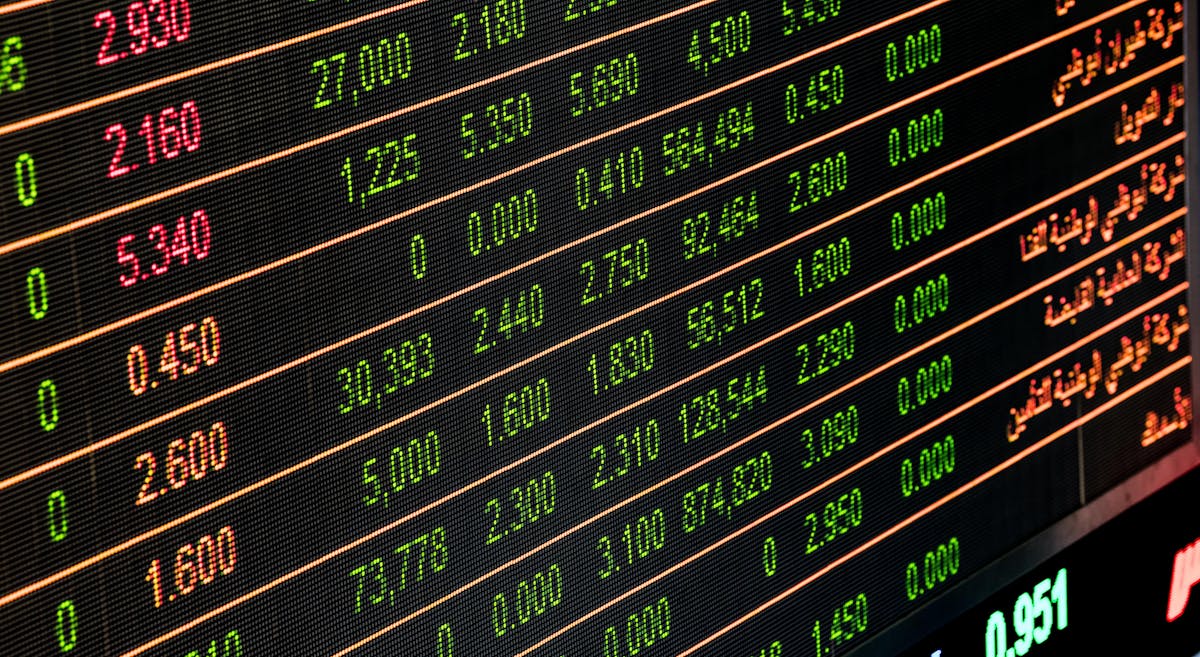
Financial chart analysis for Singapore T-Bills investment strategy

Financial chart analysis for Singapore T-Bills investment decisions (Royalty-free image from Pexels)

Singapore T-Bills in 2026: Are They Still Worth Your Investment?

Introduction: The Changing Landscape of Singapore T-Bills

Singapore Treasury Bills (T-Bills) have long been the go-to safe haven for conservative investors seeking government-backed security with reasonable returns. However, 2026 presents a shifting landscape where T-Bill yields show mixed signals - 1-year rates have inched up to 2.95% while 6-month rates have slid to 1.37%. As Singapore navigates a falling interest rate environment, investors must ask: are T-Bills still worth your investment?

For Singaporeans, T-Bills represent more than just an investment vehicle. They're part of our national savings ecosystem, accessible through CPF funds and offering tax-free interest. But with yields becoming less competitive, it's time to re-evaluate their role in your Singapore investment portfolio.

Understanding Current T-Bill Yields and Market Dynamics

The Yield Landscape: 1-Year vs 6-Month T-Bills

Singapore's T-Bill market shows a split personality in 2026, reflecting the complex interplay of global monetary policies and local investor sentiment. According to recent auction data, the latest 1-year T-Bill cut-off yield stands at 2.95%, representing a modest but meaningful improvement from the 2.71% offered in October 2025. This upward movement in longer-term yields suggests some resilience in Singapore Government Securities (SGS) despite broader rate pressures.

However, auction results show the 6-month T-Bill tells a contrasting story, with yields falling to 1.37% from 1.41% in the previous auction. This decline in shorter-term rates indicates immediate market reaction to falling interest rate expectations. The divergence between 1-year and 6-month yields reveals important insights about Singapore's monetary policy trajectory and investor expectations.

This yield split reflects Singapore's position in the global interest rate cycle. As reported by Business Times, "interest in Singapore's Treasury bills surged over the past two years" during the rising rate environment that characterized 2024-2025. However, data indicates the current sentiment shift is captured in another Business Times headline: "Sorry, T-bills. It's time to look elsewhere for yields." Source analysis shows this reflects how Singapore investors are reassessing their fixed income allocations in response to changing market conditions.

Why Yields Are Under Pressure: Global and Local Factors

Singapore's T-Bill yields operate within a complex global financial ecosystem. They're profoundly influenced by international monetary policies, with US Federal Reserve decisions serving as the primary external driver. As major economies including the US, Eurozone, and Japan pivot toward rate-cutting cycles to stimulate economic growth, Singapore's yields naturally follow this downward trajectory.

The Monetary Authority of Singapore (MAS) employs a unique exchange rate-based monetary policy framework rather than targeting interest rates directly. However, in our highly open economy, global capital flows create powerful linkages that ensure Singapore's yields move in tandem with international trends. When global rates fall, foreign capital seeking higher returns flows into Singapore markets, bidding up bond prices and consequently pushing yields lower.

Beyond global factors, domestic considerations also pressure T-Bill yields. Singapore's inflation has moderated from 2025 peaks, reducing the need for yield compensation. Additionally, strong demand for safe assets from Singapore's aging population and conservative institutional investors creates consistent buying pressure that suppresses yields relative to riskier alternatives.

Singapore's Unique T-Bill Advantages

For Singapore investors, T-Bills offer several unique benefits:

  • CPF Investment Option: Singaporeans can invest using CPF Ordinary and Special Account funds, potentially earning better returns than standard CPF rates. For more on optimizing CPF investments, see our guide on Keppel Corporation SRS investing
  • Tax-Free Interest: Unlike many investments, T-Bill interest is tax-free in Singapore
  • Government Backing: Backed by Singapore's AAA-rated government, making them essentially risk-free from default. For a comprehensive overview of T-Bills, check out our Complete Guide to Singapore T-Bills 2026

Comparing Investment Alternatives for Singapore Investors

T-Bills vs Other Safe Options

When considering where to park safe money, Singapore investors have several alternatives:

Singapore Savings Bonds (SSB): Offer greater flexibility with no penalty for early redemption after the first year, though typically with slightly lower returns than T-Bills.

Fixed Deposits: Singapore bank fixed deposits offer comparable yields with similar safety (up to SGD75,000 insured by SDIC), often with promotional rates that can beat T-Bills.

Corporate Bonds: Singapore corporate bonds from blue-chip companies offer higher yields but carry credit risk that T-Bills don't have.

REITs and Dividend Stocks: Singapore REITs and dividend stocks offer significantly higher yields (4-7%) but come with market risk and volatility.

Strategic Allocation Recommendations

For Singapore investors, T-Bills can serve specific purposes:

Emergency Fund Enhancement: Use as the higher-yielding portion of 3-6 months' emergency savings, providing better returns than savings accounts while maintaining liquidity.

Retirement Portfolio Anchor: For those nearing retirement, T-Bills can anchor the conservative portion of portfolios, with 1-year tenors aligning well with annual income needs.

Tactical Cash Parking: During market uncertainty, T-Bills provide a temporary parking spot for cash awaiting better opportunities, minimizing opportunity cost while preserving capital.

Conclusion: Strategic Role in a Changing Market

Future Outlook for Singapore T-Bills

Singapore T-Bills in 2026 face a challenging environment, but their future depends on several key factors:

Monitoring Key Indicators: Singapore investors should watch MAS policy statements, global rate trajectories (particularly US Federal Reserve decisions), and Singapore's economic performance including GDP growth and inflation data.

Investor Sentiment: As Business Times notes, with "T-bill yields falling to lows," investors are seeking alternatives. Watch for capital flows toward higher-yielding assets and how this affects T-Bill auction demand.

A Diminished but Still Relevant Role

Singapore T-Bills in 2026 occupy a diminished but still relevant role in investor portfolios. While yields have become less competitive, their unique advantages - government backing, CPF accessibility, and tax-free interest - maintain their appeal for specific Singapore investor segments.

The key is strategic allocation rather than blanket recommendation. Singapore investors should consider T-Bills for:

  1. Emergency fund enhancement
  2. CPF optimization strategies
  3. Retirement portfolio anchors
  4. Tactical cash parking during uncertainty

As one Business Times article aptly notes: "With T-bill yields falling to lows, which assets bring higher returns?" The answer for Singapore investors isn't to abandon T-Bills entirely, but to recalibrate their weighting within a diversified portfolio that balances safety, yield, and Singapore-specific advantages.

Call to Action: Review your current investment portfolio and assess whether your T-Bill allocation aligns with your financial goals and risk tolerance. Consider speaking with a licensed financial advisor to develop a personalized strategy that incorporates T-Bills appropriately within your overall Singapore investment plan. For ongoing updates on T-Bill auctions and investment insights, subscribe to our newsletter or follow our regular market analysis posts.

Frequently Asked Questions (FAQ)

Q1: Can I still get good returns from Singapore T-Bills in 2026?

A: Returns are modest but safe. Current 1-year T-Bills yield 2.95%, while 6-month T-Bills yield 1.37%. These are risk-free returns backed by the Singapore Government, making them suitable for conservative investors prioritizing capital preservation over high returns.

Q2: How do I invest in T-Bills using my CPF in Singapore?

A: You can invest through digital banking platforms of major Singapore banks (OCBC, DBS, UOB). You'll need a CPF Investment Account with the bank, and can use both OA and SA funds (subject to CPF investment rules and a self-awareness questionnaire for SA funds).

Q3: Are T-Bill yields expected to improve in Singapore?

A: This depends on global interest rate trends and Singapore's economic performance. With falling global rates, near-term improvement seems unlikely. However, any unexpected inflation or stronger Singapore growth could support higher yields.

Q4: What are the main alternatives to T-Bills for Singapore investors?

A: Alternatives include Singapore Savings Bonds (more flexible), corporate bonds (higher yield but more risk), REITs and dividend stocks (higher yield with market risk), and fixed deposits (similar safety, sometimes better rates during bank promotions).

Q5: How liquid are Singapore T-Bills if I need cash quickly?

A: T-Bills trade on a secondary market, providing good liquidity. However, selling before maturity may result in capital gains or losses depending on prevailing yields. For guaranteed liquidity at face value, you must hold to maturity.


Disclaimer: This article is for informational purposes only and does not constitute financial advice. Singapore investors should consult with a licensed financial advisor before making investment decisions. Past performance does not guarantee future results, and all investments carry risk including potential loss of principal.

Singapore T-Bills 2026: Your Complete Guide to Upcoming Auctions and Investment Strategy

By TY → Saturday, March 28, 2026
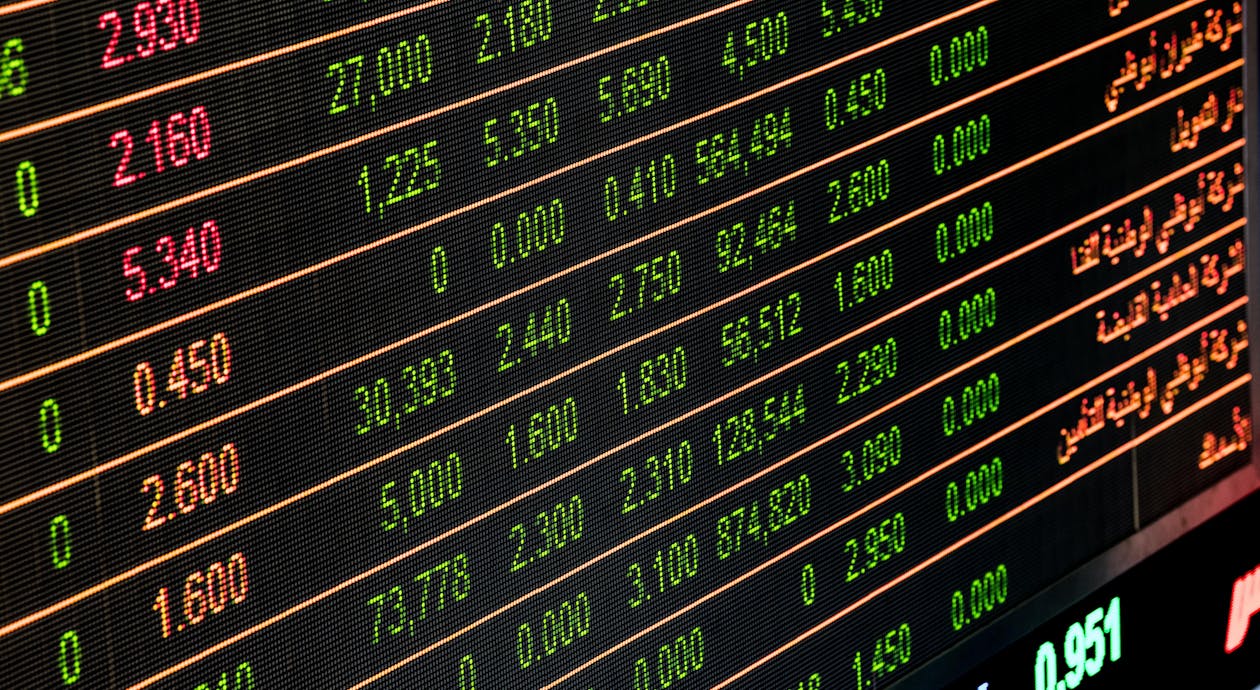
Financial chart analysis for T-Bill investment strategy

Analyzing financial charts for investment strategy (Royalty-free image from Pexels)

Singapore T-Bills 2026: Your Complete Guide to Upcoming Auctions and Investment Strategy

Introduction

Singapore Treasury Bills, commonly known as T-Bills, have emerged as one of the most popular investment options for Singaporeans seeking safe, government-backed returns. As we move through 2026, with global economic uncertainty and volatile markets, T-Bills offer a compelling alternative for conservative investors looking to preserve capital while earning competitive yields. In this comprehensive guide, we'll explore everything you need to know about Singapore T-Bills, including upcoming auctions, current rate trends, Monetary Authority of Singapore (MAS) policies, and practical investment strategies.

What Are Singapore T-Bills?

Singapore Treasury Bills are short-term debt securities issued by the Singapore Government through the Monetary Authority of Singapore (MAS). They represent one of the safest investment vehicles available, backed by the full faith and credit of the Singapore Government.

Key Characteristics:

  • Tenure: Typically 6-month or 1-year maturities
  • Minimum Investment: S$1,000 with increments of S$1,000
  • Issuance Method: Regular auctions conducted by MAS
  • Risk Profile: Virtually risk-free (AAA-rated Singapore Government)
  • Liquidity: Can be sold in the secondary market before maturity

How T-Bills Work:

T-Bills are sold at a discount to their face value. For example, you might pay S$980 for a T-Bill with a face value of S$1,000. At maturity, you receive the full S$1,000, with the S$20 difference representing your interest earned. This discount method means you know your exact return at the time of purchase.

Current T-Bill Landscape in 2026

Latest Auction Results (26 March 2026)

The most recent 6-month T-Bill auction on 26 March 2026 saw a cut-off yield of 1.46% p.a., a significant increase from the previous auction's 1.37% p.a. This reflects changing economic conditions including rising US government bond yields, Middle East conflict escalation affecting oil prices, and lower expectations for US Federal Reserve rate cuts.

Key Auction Details:

  • Total applications: S$16.4 billion (down from S$17.3 billion in previous auction)
  • T-bills issued: S$8.2 billion (slightly down from S$8.3 billion)
  • Bid-to-cover ratio: 2.00x (fell from previous levels)
  • Median yield of submitted bids: 1.39% (up from 1.29%)
  • Average yield of submitted bids: 1.30% (up from 1.23%)

Factors Influencing 2026 T-Bill Rates:

  1. MAS Monetary Policy: Maintaining unchanged monetary settings amid resilient growth
  2. Global Interest Rates: US Federal Reserve policies with lower expectations of rate cuts
  3. Inflation Expectations: MAS has raised inflation forecasts for 2026
  4. Geopolitical Factors: Middle East conflict affecting oil prices and inflation
  5. Market Demand: Moderating demand for Singapore T-bills in current market

Comparison with Other Instruments (March 2026):

  • Singapore Savings Bonds (SSB): 1-year return 1.36%, 10-year average 1.99%
  • Fixed Deposits: Best 6-month rate around 1.5% (slightly higher than T-bill)
  • CPF Ordinary Account: 2.5% interest rate, but with withdrawal restrictions
  • Savings Accounts: Some offer above 1.46% p.a. with different terms
  • Corporate Bonds: Higher yields but with credit risk

Upcoming T-Bill Auctions: What to Expect

Auction Schedule

MAS typically conducts T-Bill auctions every two weeks, with 6-month and 1-year tenures offered in alternating cycles. The exact schedule for 2026 can be found on the MAS website, but investors can generally expect:

  • Regular Bi-weekly Auctions: Consistent issuance throughout 2026
  • Upcoming Auction: BS26106T (6-month T-bill, new issue) with issue date 31 March 2026
  • Announcement Dates: Typically 1-2 weeks before each auction
  • Auction Dates: Fixed schedule published in advance
  • Issue Dates: Usually 1-2 business days after auction results

How to Participate in Auctions

Primary Market (Direct from MAS):

  1. Through Banks: Apply via your bank's internet banking platform
  2. Minimum Amount: S$1,000 with S$1,000 increments
  3. Competitive vs Non-Competitive Bids:
    • Non-competitive: Accept the cut-off yield determined at auction (recommended for retail investors)
    • Competitive: Specify your desired yield (risk of not being allocated if bid is too high)

Secondary Market:

  • Buy/sell existing T-Bills through banks or financial institutions
  • Prices fluctuate based on market interest rates
  • Provides liquidity if you need to exit before maturity

MAS Policies and Regulatory Framework

Monetary Authority of Singapore's Role

MAS serves as Singapore's central bank and financial regulator, managing T-Bill issuance as part of its monetary operations and government debt management.

Key MAS Policies Affecting T-Bills:

1. Monetary Policy Stance for 2026

MAS has maintained unchanged monetary settings in 2026 amid resilient economic growth. The policy stance continues to focus on price stability while monitoring inflation risks from higher oil prices and geopolitical tensions.

2. Government Securities Programme

The GS Programme provides a regular supply of government securities, ensuring market liquidity and establishing benchmark yield curves.

3. Market Development Initiatives

MAS actively develops Singapore's debt markets, including:

  • Enhancing market infrastructure
  • Promoting investor education
  • Ensuring transparent auction processes

4. Financial Stability Measures

T-Bills play a role in financial stability by providing:

  • Safe assets for financial institutions
  • Liquidity management tools
  • Benchmark rates for pricing other securities

Investment Strategies for T-Bills in 2026

1. Laddering Strategy

Create a T-Bill ladder by investing in T-Bills with staggered maturities. This approach:

  • Provides regular liquidity as T-Bills mature
  • Reduces reinvestment risk
  • Maintains exposure to potential rate increases

Example Ladder:

  • Month 1: Invest in 6-month T-Bill
  • Month 2: Invest in another 6-month T-Bill
  • Continue monthly investments
  • As each matures, reinvest in new 6-month T-Bills

2. Core-Satellite Approach

Use T-Bills as the "core" safe portion of your portfolio while allocating smaller amounts to higher-risk, higher-return "satellite" investments.

3. Emergency Fund Placement

Consider allocating part of your emergency fund to T-Bills:

  • Higher yields than typical savings accounts
  • Maintains principal safety
  • 6-month maturity aligns with emergency planning horizons

4. Retirement Portfolio Allocation

For retirees or near-retirees:

  • Allocate portion of portfolio to T-Bills for stability
  • Provides predictable income stream
  • Preserves capital for essential expenses

Tax Considerations and Benefits

Tax Treatment:

  • Interest Income: Taxable as ordinary income
  • Withholding Tax: None for Singapore residents
  • Non-residents: Subject to withholding tax (check current rates)

CPF Investment Scheme (CPFIS):

  • Can use CPF Ordinary Account (OA) funds to invest in T-Bills
  • Must maintain minimum sum in OA
  • Returns credited back to CPF account

Supplementary Retirement Scheme (SRS):

  • SRS funds can be used for T-Bill investments
  • Tax benefits on contributions
  • Withdrawal rules apply

Risks and Considerations

While T-Bills are extremely safe, consider:

1. Interest Rate Risk

If interest rates rise after you purchase T-Bills, newer issues will offer higher yields, making your existing T-Bills less attractive in the secondary market.

2. Reinvestment Risk

When T-Bills mature, you may need to reinvest at lower rates if interest rates have fallen.

3. Inflation Risk

T-Bill yields may not keep pace with inflation, potentially eroding purchasing power.

4. Opportunity Cost

Funds tied up in T-Bills cannot be used for potentially higher-return investments.

5. Liquidity Considerations

While T-Bills can be sold in the secondary market, there may be price fluctuations based on market conditions.

How to Apply for T-Bills: Step-by-Step Guide

Through DBS/POSB:

  1. Log in to DBS/POSB internet banking
  2. Navigate to "Invest" → "Bonds" → "Singapore Government Securities"
  3. Select "Apply for New Issue"
  4. Choose T-Bill and enter investment amount
  5. Select "Non-competitive" bid type
  6. Review and confirm application

Through OCBC:

  1. Log in to OCBC internet banking
  2. Go to "Invest" → "Unit Trusts & Bonds" → "Singapore Government Bonds"
  3. Click "Apply for New Issue"
  4. Follow the application steps

Through UOB:

  1. Log in to UOB internet banking
  2. Navigate to "Investments" → "Bonds" → "Singapore Government Securities"
  3. Select "Apply for New Issue"
  4. Complete the application process

Important Application Tips:

  • Application Period: Typically 1 week before auction date
  • Cut-off Time: Usually 12:00 noon on auction day
  • Funds Requirement: Ensure sufficient funds in account
  • Confirmation: Keep application reference number

FAQ: Frequently Asked Questions

Q1: What is the minimum investment amount for T-Bills?

A: The minimum investment is S$1,000, with additional investments in increments of S$1,000.

Q2: How often are T-Bill auctions conducted?

A: MAS typically conducts auctions every two weeks, alternating between 6-month and 1-year tenures.

Q3: Are T-Bills safe for retirement savings?

A: Yes, T-Bills are among the safest investments available, backed by the Singapore Government. They can be suitable for the conservative portion of a retirement portfolio.

Q4: Can I sell my T-Bills before maturity?

A: Yes, T-Bills can be sold in the secondary market through banks, though prices may fluctuate based on current interest rates.

Q5: How are T-Bill yields determined?

A: Yields are determined through competitive auctions. Retail investors typically use non-competitive bids, accepting the average yield determined at auction.

Q6: What happens if I need my money before maturity?

A: You can sell in the secondary market, but may receive more or less than your initial investment depending on current interest rates.

Q7: Are T-Bill returns guaranteed?

A: The yield is fixed at purchase, and the Singapore Government guarantees repayment at maturity, making returns highly predictable.

Q8: How do T-Bills compare to fixed deposits?

A: T-Bills often offer competitive or higher yields than fixed deposits with similar safety. They also provide more flexibility through secondary market trading.

Q9: Can foreigners invest in Singapore T-Bills?

A: Yes, foreigners can invest, but non-residents may be subject to withholding tax on interest income.

Q10: Where can I check current T-Bill rates?

A: Current rates and auction schedules are published on the MAS website (www.mas.gov.sg) and through participating banks.

Conclusion

Singapore T-Bills represent a cornerstone of conservative investing in 2026, offering government-backed security with competitive yields in the current interest rate environment. With the latest 6-month T-Bill yielding 1.46% p.a. (as of 26 March 2026) and MAS maintaining stable monetary policies, T-Bills provide Singapore investors with a safe haven for preserving capital while earning predictable returns amid global economic uncertainties.

The regular auction schedule and transparent process managed by MAS make T-Bills accessible to both novice and experienced investors. Whether you're building an emergency fund, diversifying your investment portfolio, or seeking stable returns in retirement, T-Bills deserve consideration as part of a balanced financial strategy.

Remember to check the official MAS website for the most current auction schedules, rates, and application details. As with any investment, consider your financial goals, risk tolerance, and time horizon before investing.


Disclaimer: This article is for informational purposes only and does not constitute financial advice. The information provided is based on general knowledge about Singapore T-Bills and may not reflect current rates or policies. Always verify current information from official MAS sources and consult with a qualified financial advisor before making investment decisions. Past performance is not indicative of future results. Investments in government securities are subject to market risks, including possible loss of principal. The author and publisher are not responsible for any investment decisions made based on this information.

About the Author: This article was researched and written to provide Singapore investors with comprehensive information about T-Bill investments.

Official Resources: