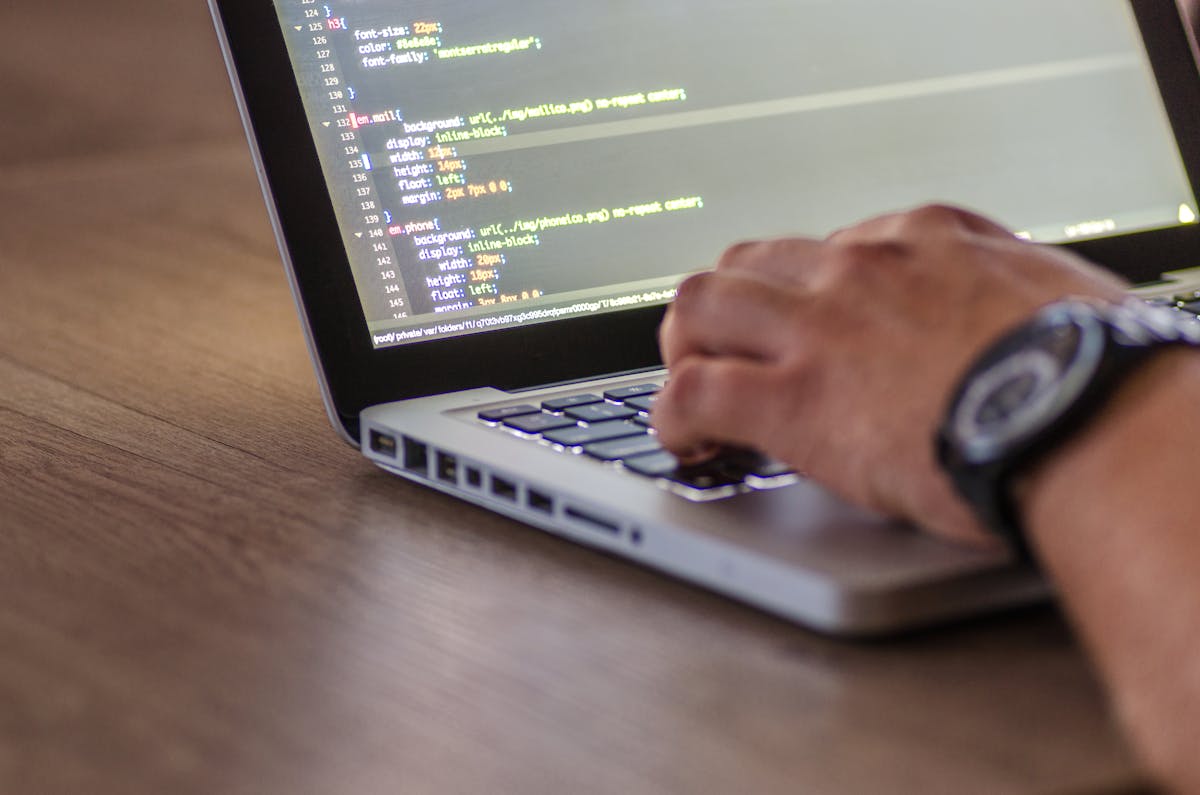
Building a secure AI developer workflow (Royalty-free image from Pexels)
Building a Secure AI Developer Workflow in Singapore: The 2026 Playbook
If you're a developer in Singapore, 2026 feels like both the best and the most dangerous time to build software. On one hand, the tools have never been more powerful: OpenAI's GPT-5.5 landed in April 2026, Microsoft is pouring US$5.5 billion into Singapore's cloud and AI infrastructure, and AI assistants are reshaping how code gets written. On the other hand, the same week GPT-5.5 launched, the Bitwarden CLI was compromised in a supply-chain attack, Meta announced it would cut 10% of its workforce for "efficiency," and Singapore blocked six websites flagged for hostile information campaigns. The message is clear: a secure AI developer workflow is no longer optional — it's the difference between shipping fast and shipping responsibly.
This guide walks through the tools, habits, and security practices Singapore developers need to build a resilient, AI-powered workflow in 2026, grounded in the real developments shaping our market.
The 2026 Singapore AI Landscape: Why Context Matters
Before picking tools, understand the environment you're operating in. Singapore isn't a passive observer in the AI race — it's a major player with distinct advantages and obligations.
Microsoft's US$5.5 billion investment in Singapore (covering 2024–2029) is expanding cloud and AI infrastructure right on our doorstep, with a strong focus on talent development. For developers, this means lower-latency access to enterprise AI services, stronger local data-residency options, and a growing ecosystem of AI tooling hosted in-region. When you design a workflow, prioritising tools that run on or integrate with Singapore-based infrastructure can improve performance and simplify compliance under PDPA and sector regulations like MAS guidelines for fintech.
From August 2026, AI literacy becomes mandatory for all NTU students, with free Google AI tools provided. That's a clear signal: the next generation of Singapore developers enters the workforce AI-fluent. For working professionals, the implication is urgent — if you're not actively building AI into your daily toolchain, you're already falling behind. The good news? You don't need to be a data scientist to benefit.
When Meta cuts 10% of jobs in a push for "efficiency," and family offices eagerly invest in AI despite lacking execution capability, the pattern is unmistakable: organisations are betting that AI-powered workflows deliver more with less. Developers who can demonstrate secure, repeatable AI workflows become the most valuable people in any team — in Singapore's competitive tech job market, that's leverage you want.
Your Core AI Toolkit: What Actually Works
Not every AI tool is worth your time. Here's a pragmatic, security-conscious stack for 2026.
The arrival of GPT-5.5 (April 2026) marked another leap in model capability, directly improving AI coding assistants and pair-programming tools. Whether you use GPT-5.5-backed assistants, GitHub Copilot, or Claude-based tools like Fable 5, the principle is the same: use them as accelerators for boilerplate, tests, refactoring, and documentation — not as a substitute for understanding the code you ship.
Best practice: Keep AI assistants inside your IDE with your company's approved plugins, never paste production secrets or PII into public chat interfaces, and always review AI-generated code for security and correctness before committing. In a MAS/PDPA-regulated context like Singapore fintech, that last step is non-negotiable. These tools complement the broader Singapore developers' 2026 AI toolkit we covered earlier.
AI isn't just for writing software. Singapore's public and private sectors are proving it:
- JTC built an Evaluation Virtual Assistant to automate construction tender evaluation — a breakthrough in a traditionally conservative sector.
- AECOM created Singapore's first AI-enabled sustainable design optioneering ecosystem, improving quality and enabling clearer, evidence-based client decisions.
These aren't coding tools, but they signal where AI workflows are heading: automating repetitive evaluation, review, and decision processes. As a developer, you can apply the same thinking to your DevOps, testing, and deployment pipelines — automate the tedious, keep humans on the judgment calls. For more on this, see our look at AI-powered workflow tools beyond code.
Supply-Chain Security: The Non-Negotiable Layer and Practical Defence
The Bitwarden Warning
This is the part most "AI toolkit" guides skip, and it's the one that matters most in 2026.
In April 2026, the Bitwarden CLI was compromised as part of an ongoing Checkmarx supply-chain campaign. Password managers and CLI tools are trusted, ubiquitous, and exactly the kind of software attackers target because a single compromise cascades everywhere. For Singapore developers, this is a wake-up call: every tool in your supply chain — open-source dependencies, npm packages, CLI binaries, even the AI plugins you install — is an attack surface. We flagged these supply-chain risks facing Singapore developers last month — and the threat has only grown.
Practical Defence Measures
- Pin and verify dependencies. Use lockfiles, checksums, and signed releases. Never install from unverified sources.
- Audit your AI plugins. Before installing an AI coding plugin, check its provenance, maintainers, and update frequency.
- Treat credentials as sacred. With Singapore blocking six websites over hostile information campaigns (April 2026), the threat landscape is real. Use a password manager — but one with a clean security record — and rotate keys regularly.
- Run supply-chain scanners. Tools like Dependabot, Snyk, or Trivy should be part of your CI pipeline, not an afterthought.
- Least-privilege access. Give AI tools and CI jobs the minimum permissions they need, nothing more.
Comply, Then Compete
Singapore's regulators expect this diligence. Whether it's PDPA for personal data, MAS for financial services, or newer AI governance rules, a secure developer workflow is the foundation of compliance. The developers and teams that build security into their AI workflows from day one won't just avoid breaches — they'll win contracts and trust in a market where reputation is currency.
Building the Workflow: A Step-by-Step Approach
You don't need to overhaul everything at once. Here's a staged plan to build a secure AI developer workflow that scales with your team. The approach mirrors the open-weight AI cost strategy many Singapore teams are adopting — start small, secure the baseline, then expand.
Step 1: Audit What You Already Use
Map every tool in your dev environment — editors, extensions, CLIs, package registries, CI runners. Note which ones have network access to your code and credentials. This inventory is your attack surface. You can't secure what you don't know exists.
Step 2: Add AI Where It Delivers Most
Start with the highest-value, lowest-risk AI integrations: code completion, test generation, and documentation. Keep sensitive operations (deployments, secrets handling, production code paths) on the human-review side of the fence initially. Prove the workflow works before expanding.
Step 3: Automate Security Checks
Wire supply-chain scanning, secret detection, and AI-assisted code review into your pipeline. Make security gates automatic so "human error" can't silently ship a vulnerability. Given Singapore's regulatory environment, automated audit trails are also a powerful compliance asset.
Step 4: Train the Team
With NTU making AI literacy mandatory from August 2026, the talent bar is rising. Invest in upskilling your team on both how to use AI tools effectively and how to use them securely. A team that understands the "why" behind security practices follows them far more consistently.
Step 5: Review and Iterate
The AI tooling landscape shifts fast — GPT-5.5 is already here, and something newer is always around the corner. Revisit your workflow quarterly: retire tools with security issues, adopt better ones, and keep your supply-chain posture current.
Frequently Asked Questions
Q: Is it safe to use AI coding assistants in a regulated Singapore company? A: Yes, with guardrails. Use approved, audited plugins, keep sensitive data out of public AI interfaces, review all AI-generated code, and follow PDPA/MAS data-handling rules. Many regulated firms run AI assistants against internal or vetted models to stay compliant.
Q: How do I protect against supply-chain attacks like the Bitwarden incident? A: Pin and verify dependencies, use signed and checksum-verified releases, run automated supply-chain scanners (Snyk, Dependabot, Trivy), apply least-privilege access, and audit your AI plugins' provenance before installation.
Q: Which AI coding tool should I choose in 2026? A: It depends on your stack and compliance needs. GPT-5.5-based assistants, GitHub Copilot, and Claude-based tools (like Fable 5) are all strong. Evaluate on accuracy, security controls, data-residency options in Singapore, and integration with your existing IDE and CI pipeline rather than hype.
Q: Do I need to be worried about AI replacing developer jobs in Singapore? A: With Meta cutting 10% of its workforce for efficiency, automation anxiety is real. But the developers who thrive are those who pair AI with strong security and workflow skills — essentially becoming more productive. AI is replacing tasks, not the judgment and context that senior developers bring.
Q: What's the most important first step? A: Audit your current toolchain and supply chain. Before adding more AI, know your attack surface. A secure baseline makes every subsequent AI integration safer and more compliant.
Your Call to Action: Start Building Today
The 2026 AI toolkit isn't about chasing every shiny model — it's about building a secure AI developer workflow that's fast, compliant, and resilient. Singapore's infrastructure investments, the NTU AI literacy mandate, and the rising stakes of supply-chain security all point the same direction: the developers who combine AI power with rigorous security will lead the market.
Start with a simple audit of your current toolchain this week. Pick one high-value, low-risk AI integration. Automate one security gate. Small steps compound into a workflow that's both cutting-edge and trustworthy — exactly what Singapore's regulated, competitive tech ecosystem rewards.
This article is for informational purposes only and does not constitute financial, legal, or investment advice. Always consult qualified professionals for decisions specific to your situation.
Sources: Straits Times (Singapore website blocks, NTU AI literacy mandate), The Business Times (Microsoft US$5.5B investment, JTC AI tool, AECOM design ecosystem), Hacker News (GPT-5.5 release, Bitwarden/Checkmarx supply-chain incident, Meta job cuts).
No Comment to " Building a Secure AI Developer Workflow in Singapore: The 2026 Playbook "