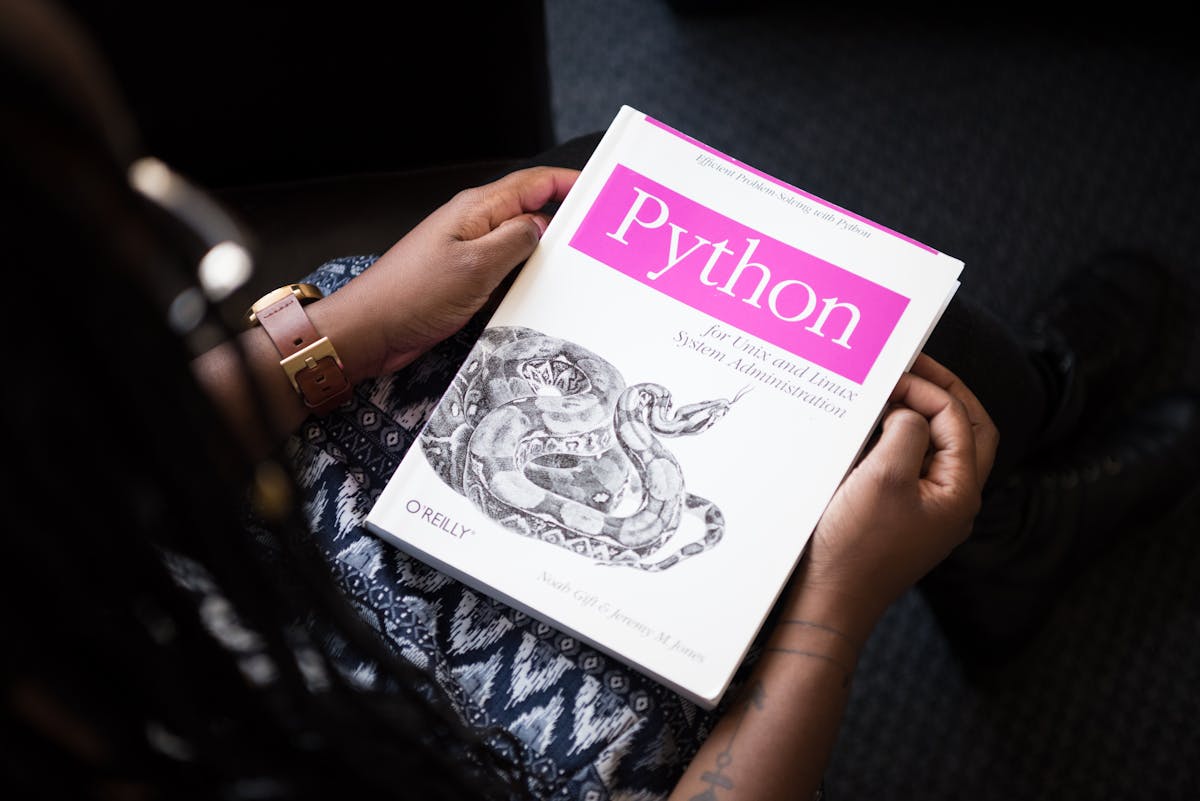
Building an AI-powered developer workflow in Singapore (Royalty-free image from Pexels)
AI and the Singapore Tech Workforce in 2026: What Developers Should Do Now
Introduction
Singapore's tech workforce is at an inflection point in 2026. When Meta announced it would cut 10% of its staff in a "push for efficiency" in April 2026, the news trended across Hacker News and sent a clear signal: AI is no longer a future concern, it's reshaping jobs today. Closer to home, Microsoft is pouring US$5.5 billion into Singapore's cloud and AI infrastructure through 2029, NTU is making AI literacy mandatory from August 2026, and Singapore's own family offices are eager to invest in AI but struggling with execution capability. For developers and tech professionals in Singapore, the question isn't whether AI will change work — it's how to position yourself to thrive in the new landscape. This guide breaks down what the data actually shows and what practical steps you can take to stay ahead.
What the 2026 Signals Tell Us About AI and Jobs
Meta's Job Cuts: The Efficiency Signal
In April 2026, Meta told staff it would cut 10% of jobs in a push for efficiency, according to reporting shared widely on Hacker News. This wasn't a story about a struggling company — it was a story about a profitable one using AI and automation to do more with fewer people. For tech workers globally, and especially in talent-hungry Singapore, this reframes the conversation. AI isn't just replacing routine coding tasks; it's changing how many people companies need to achieve the same output.
The honest takeaway: efficiency, not just capability, is becoming the competitive metric. Developers who can deliver more value per unit of time — leveraging AI tools effectively — become more valuable, not less.
Singapore's Investment Boom Creates New Demand
While Meta trims, Singapore is investing heavily in the opposite direction. Microsoft's US$5.5 billion commitment (2024–2029) is expanding cloud and AI infrastructure locally, with a stated focus on talent development. This means more demand for people who can build on and operate AI infrastructure — not less. The Business Times also reported that Singapore family offices are eager to invest in AI but many lack execution capability. Investment demand is outpacing expertise.
That gap is an opportunity: organisations with capital but limited AI execution capability need people who can actually build and deploy AI solutions. For developers, that's a hiring tailwind if you have the right skills.
NTU's AI Literacy Mandate Raises the Baseline
From August 2026, AI literacy is mandatory for all NTU students, with free Google AI tools provided. Singapore is deliberately building an AI-fluent workforce. The implication is simple: AI fluency is becoming the baseline expectation, not a differentiator. If you're already in the workforce and haven't built AI skills, you're competing against a pipeline of graduates for whom AI is a given.
The Skills That Matter Now: Building an AI-Efficient Workflow
Rather than panic about displacement, focus on what the signals actually reward. Here's the practical skill stack that positions Singapore developers to thrive in 2026.
1. AI-Assisted Development as a Core Skill
GPT-5.5's release in April 2026 (trending #1 on Hacker News with over 1,100 points) pushed AI coding assistance to a new level. Assistants based on GPT-5.5, GitHub Copilot, and Claude-family tools are now capable enough to meaningfully accelerate boilerplate, tests, refactoring, and documentation. The developers who benefit most aren't the ones who let AI write everything — they're the ones who use it as an accelerator while maintaining strong review discipline.
Treat AI assistance as a force multiplier for your judgment, not a replacement for it. The most valuable developers combine deep domain knowledge with the ability to direct and verify AI output. That combination is exactly what's scarce.
2. Security and Supply-Chain Awareness Is Non-Negotiable
The April 2026 compromise of the Bitwarden CLI, part of the ongoing Checkmarx supply-chain campaign, was a wake-up call for developers everywhere. It trended near the top of Hacker News with 660 points — and for good reason. The tools developers trust for security can themselves become attack vectors, sitting in the middle of the software supply chain with elevated access to credentials and production systems.
For Singapore developers in regulated sectors — fintech under MAS guidelines, personal data under PDPA — supply-chain hygiene is a first-class requirement. Build these habits now:
- Pin versions and verify checksums for dependencies and tools.
- Audit your dependency tree — favour shallow, well-maintained trees.
- Apply least-privilege access to credentials and CI systems.
- Review anything AI-generated before it ships.
Singapore's vigilance reinforces this: in April 2026, the government blocked six websites flagged for potential use in hostile information campaigns. Security awareness is a national priority, and developers who embody it are more valuable.
3. Data Residency and Compliance Fluency
Microsoft's local investment is expanding in-region AI infrastructure specifically to serve Singapore's data-residency needs. For developers, this means understanding where data is processed and stored matters more than ever. Under PDPA and sector rules, tools that process sensitive data offshore or lack clear data-handling documentation create regulatory exposure.
Developers who can navigate data residency — choosing tools with Singapore or regional options, understanding compliance certifications, and designing systems that keep data local where required — are increasingly indispensable. This is a skill that's genuinely in short supply.
4. Workflow Automation Beyond Code
The most striking pattern in the research is how AI is moving into traditional, conservative sectors. JTC developed an Evaluation Virtual Assistant for construction tenders, automating judgment-heavy procurement workflows. AECOM built Singapore's first AI-enabled sustainable design optioneering ecosystem, improving quality and enabling evidence-based client decisions.
These examples show that AI-driven evaluation and decision workflows are becoming mainstream far beyond tech. Developers who understand how to apply AI to automate evaluation — reviewing documents, assessing options, summarising evidence — with explainable, auditable outputs will find demand across industries.
A Roadmap for Singapore Developers in Late 2026
Here's a practical plan to position yourself for the AI-driven job market, grounded in the realities of Singapore's ecosystem.
Assess Your Current Stack
Map the tools you use daily and identify where AI can genuinely accelerate your work. Which tasks are slow, error-prone, or repetitive? Start with the problem, not the tool. A well-configured script sometimes beats an AI tool; use AI where it's actually justified.
Build One AI-Assisted Workflow Deeply
Don't try to learn everything. Pick one workflow — test generation, refactoring, documentation, code review — and build a genuinely efficient AI-assisted pipeline around it. Measure the improvement. Depth in one area beats superficial familiarity with many.
Strengthen Your Security Baseline
Given the Bitwarden/Checkmarx incidents, make supply-chain hygiene a habit. Pin versions, audit dependencies, apply least-privilege access. These are concrete, demonstrable skills you can put on a resume and prove in an interview.
Lean Into Singapore's Strengths
Singapore's Microsoft-backed infrastructure, regulatory clarity, and AI-literate talent pipeline give local professionals a real edge. Developers who understand data-residency compliance, can build on in-region cloud infrastructure, and can produce explainable AI outputs are positioned to capture the gap between investment demand and execution capability that The Business Times highlighted.
Track the Market, Not the Fear
Meta's job cuts are one data point, not the whole story. To keep perspective, it helps to see how Singapore teams are already evaluating AI tools pragmatically — see our practical framework for evaluating AI tools and our guide to building a secure AI developer workflow. Singapore is simultaneously investing heavily in AI infrastructure and talent. The realistic picture is a rebalancing: routine tasks get automated, while demand grows for people who can direct, secure, and scale AI systems. Position yourself on the demand side of that equation. If you're weighing costs, our overview of open-weight AI models in Singapore is a useful reference.
Frequently Asked Questions
Q: Will AI replace Singapore developers in 2026? A: Not in aggregate. While Meta's 10% job cut shows AI enabling efficiency, Singapore is simultaneously investing US$5.5 billion in AI infrastructure and making AI literacy mandatory at NTU. The realistic picture is task automation and role rebalancing — demand shifts toward people who can direct, secure, and scale AI systems rather than those doing purely routine work.
Q: What's the most important skill for Singapore developers right now? A: The ability to combine deep domain knowledge with effective AI use — directing and verifying AI output rather than blindly accepting it. Security and supply-chain awareness, plus data-residency fluency, are close seconds given Singapore's regulated environment.
Q: Should I be worried about the Bitwarden/Checkmarx supply-chain incident? A: It's a reminder to audit your own toolchain, not a reason to panic. Pin versions, verify checksums, audit dependency trees, and apply least-privilege access. These habits protect you and make you more valuable in security-conscious Singapore.
Q: Is AI literacy really becoming mandatory in Singapore education? A: Yes. From August 2026, AI literacy is mandatory for all NTU students, with free Google AI tools provided. This raises the baseline for the incoming workforce, which is why upskilling now — if you're already working — matters.
Q: How do I stand out in Singapore's AI-driven job market? A: Build one AI-assisted workflow deeply, strengthen your security baseline, understand data residency and compliance, and demonstrate the ability to apply AI to real workflows with measurable results. The gap between investment appetite and execution capability is your opportunity.
Ready to take action? Here's your clear next step: pick one task in your daily workflow that is slow or repetitive, and spend one week building a focused AI-assisted pipeline around it. Measure the time saved, then share your results in the comments below — I'd love to hear what's working for Singapore developers in 2026.
Your next move — turn AI uncertainty into an advantage. Start this week: audit your current workflow to find one task AI can genuinely accelerate, then build and measure a focused AI-assisted pipeline around it. Singapore's infrastructure investment, regulatory clarity, and talent pipeline give you a real edge — use it. Have questions or want to share what's working for you? Drop them in the comments below.
This article is for informational purposes only and does not constitute financial, legal, or professional advice. This is not financial advice.
Sources: Straits Times (Singapore website blocks, NTU AI literacy mandate), The Business Times (Microsoft US$5.5B investment, Singapore family offices AI investment, JTC AI tool, AECOM design ecosystem), Hacker News (GPT-5.5 release, Bitwarden/Checkmarx supply-chain incident, Meta job cuts).
No Comment to " AI and the Singapore Tech Workforce in 2026: What Developers Should Do Now "